

Best paint for damp walls in Kenya
Find out why the wall is damp first. Then kill mould and use an anti-fungal paint.
What we recommend
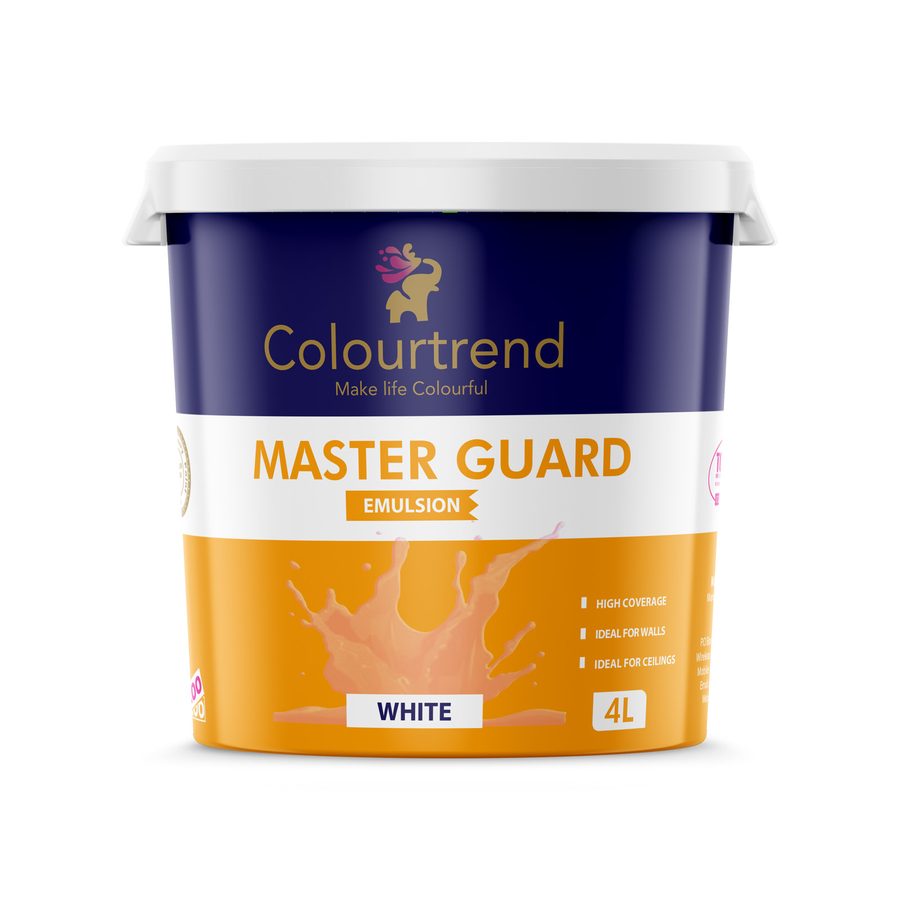
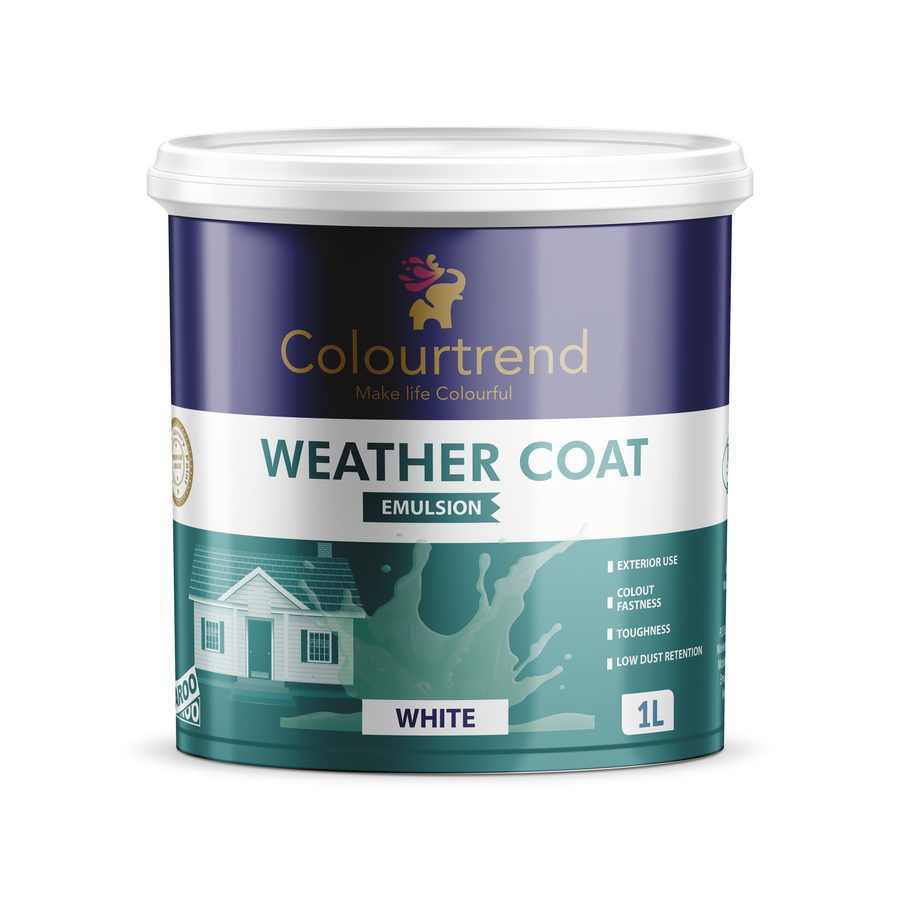
We'll be honest, because nobody else in the shop will: there is no paint that fixes a wet wall. If water is getting into the wall, it will push any paint off eventually. What the right paint can do is cope with humidity and stop mould coming back once the water problem is sorted.
So first, work out where the damp comes from. A tide mark low on the wall, up to about knee height, usually means damp rising from the ground. A patch near the ceiling or under a window points to a leak, a blocked gutter or a crack letting rain in. Black spots spread across a cold corner in a bathroom or bedroom is usually condensation. Each has a different fix, and we go through them in our damp walls guide.
Once the water is dealt with
- Scrape off all loose and blistered paint. Don't paint over bubbles.
- Kill any mould with Maroo Fungal Wash and let the wall dry right through. Days, not hours.
- Fill cracks with Maroo Crack Filler.
- On outside walls that take driving rain, ask us about our waterproofing range, including Fixosil, before you paint.
- Paint with an anti-fungal finish. Master Guard Emulsion works inside and out. On exposed outside walls we'd rather use Weather Guard 100% Acrylic.
If you're not sure what you're looking at, send us a photo through the quote form and we'll tell you what we think. It's better than buying the wrong paint twice.
Common questions
Is there a waterproof paint for damp walls?
Paint cannot stop water that is coming through or up the wall. Fix the source first, then use an anti-fungal or exterior acrylic paint.
Why is the paint on my wall bubbling?
Usually moisture behind the paint, or paint applied over a dusty or chalky surface. Scrape it back, let the wall dry and find the source of the water.
Not sure what your wall needs?
Send us the job and a photo and we'll recommend products and quantities, or find a stockist near you.